Weave · Pashmina
Kani
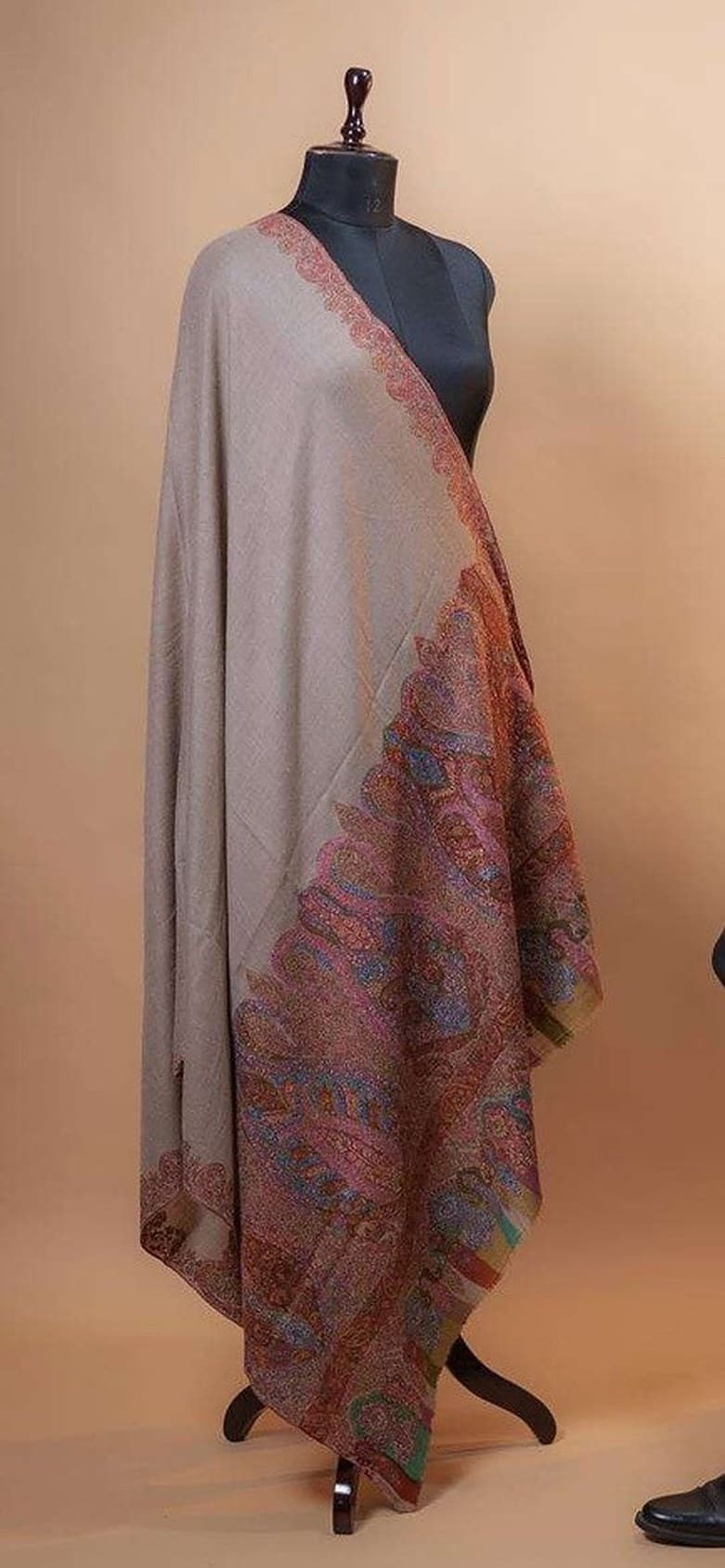
The Kani is the shawl that made Kashmir famous in eighteenth-century Europe. Its pattern is not embroidered but woven, thread by thread, with small wooden bobbins called kanis — as many as fifty or more across the loom — each carrying its own colour and each moved by hand according to a coded script, the talim.
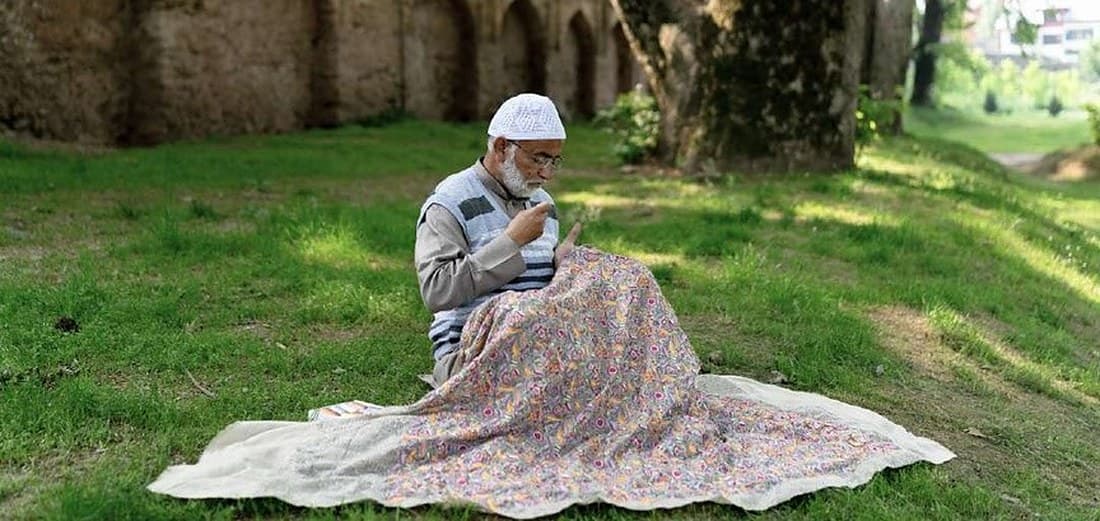
The most demanding weave
A weaver can advance a Kani shawl by only a few centimetres in a day. A full shawl takes a year or more; the greatest examples, with dozens of colours, several years. The finished cloth shows the pattern on both faces, with a fine ridged texture where the colours meet.
Commissioning a Kani
We commission Kani shawls to order — the palette, the density of pattern and the proportion of plain ground to woven design all affect the time and the investment. It is the most collectable object in Kashmiri textiles, and every one is unique.
Questions
What is the difference between a Kani shawl and an embroidered Pashmina?
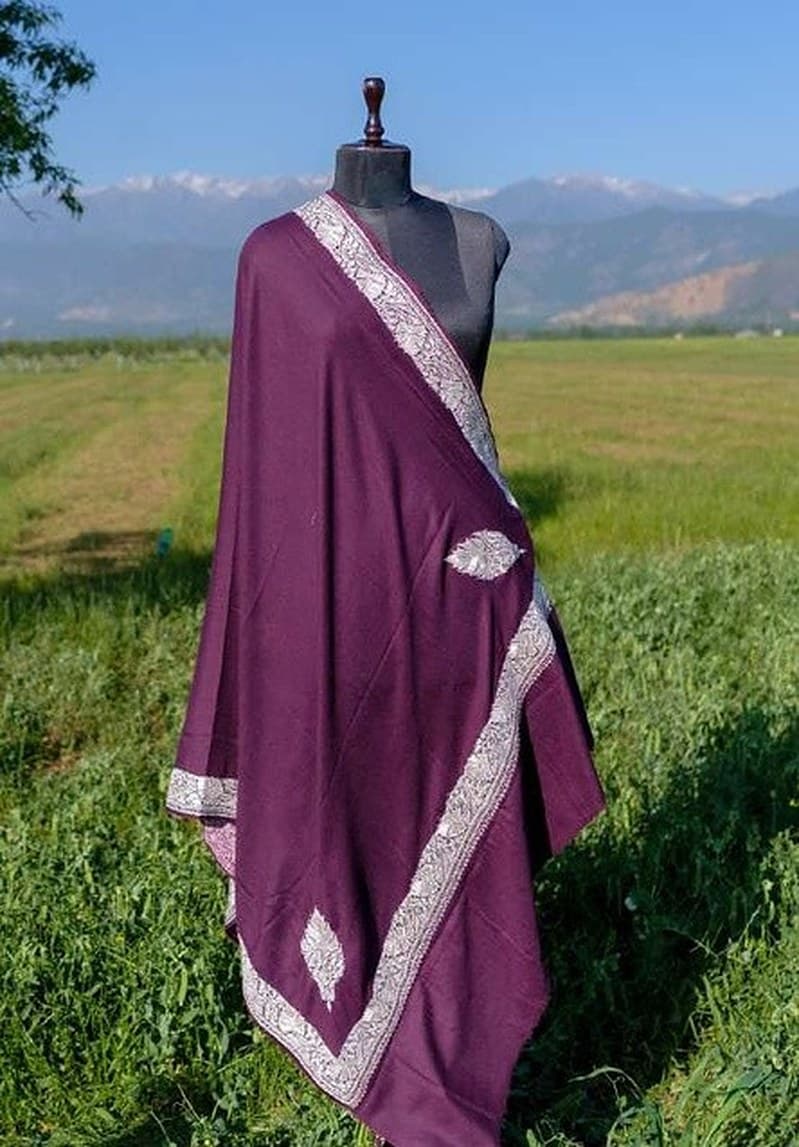
In a Kani shawl the pattern is woven into the cloth on the loom using small wooden bobbins, so it is part of the fabric itself. In an embroidered Pashmina the shawl is woven plain and the design is added afterwards with a needle.
Bespoke
Kani, to your own measure
Choose the size, the palette and the density of the work. Our naqash draws the design for your approval before a single knot is tied, a stitch made or a brush lifted.