View the piece →
Papier-Mâché
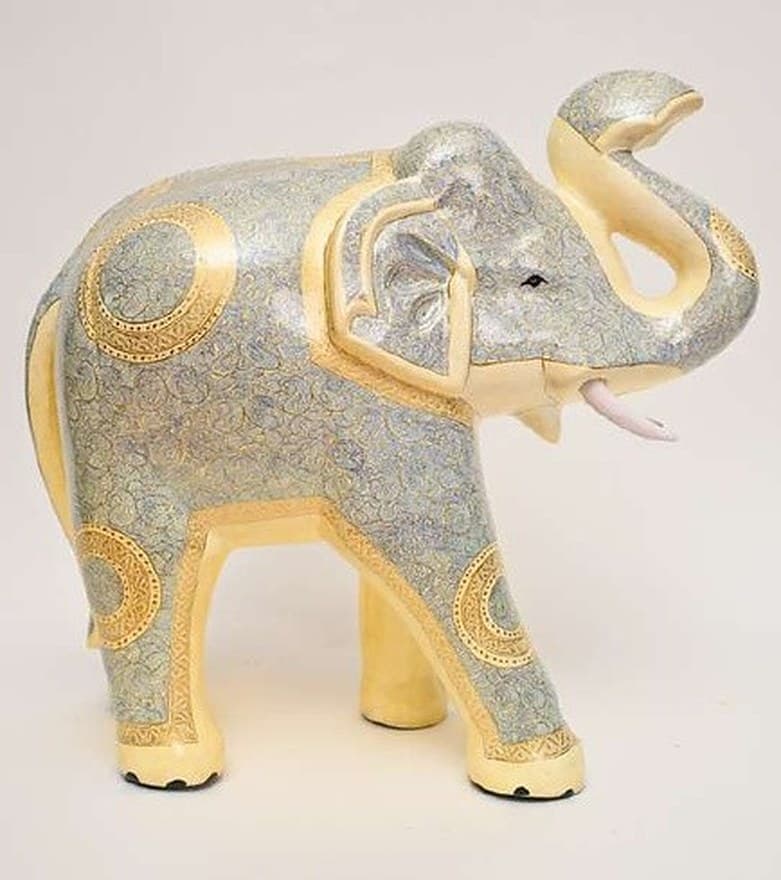
Poshkaar Elephant
Poshkaar design
Motif · Papier-Mâché, Walnut Carving, Pashmina
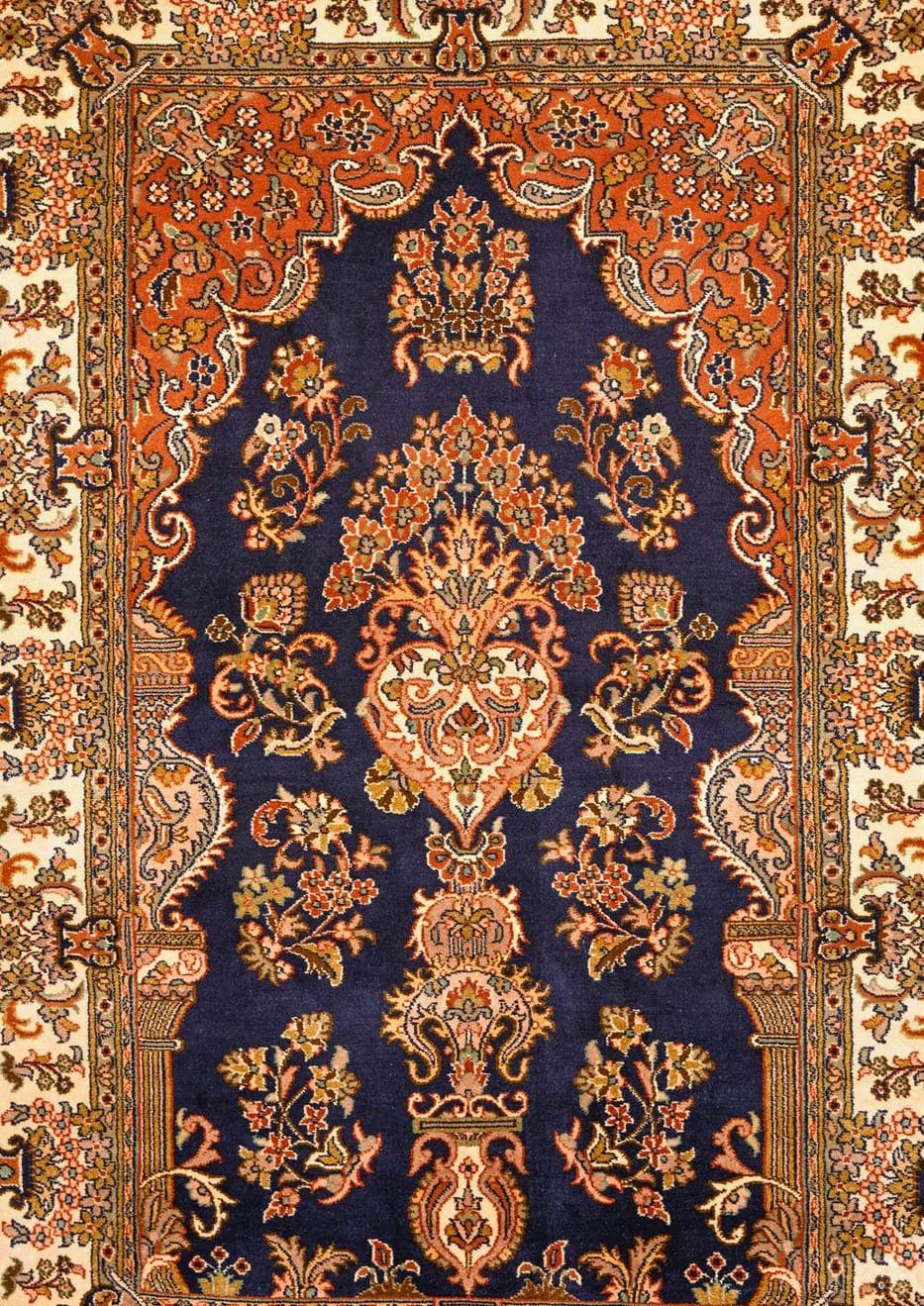
Before it was called paisley — after the Scottish mill town that imitated it — the teardrop motif was the badam, the almond, of Kashmir. It appeared on the shawls that Mughal emperors gave as robes of honour, crossed to Europe on Kashmir shawls in the eighteenth century, and was copied so widely that it took the name of its imitators.
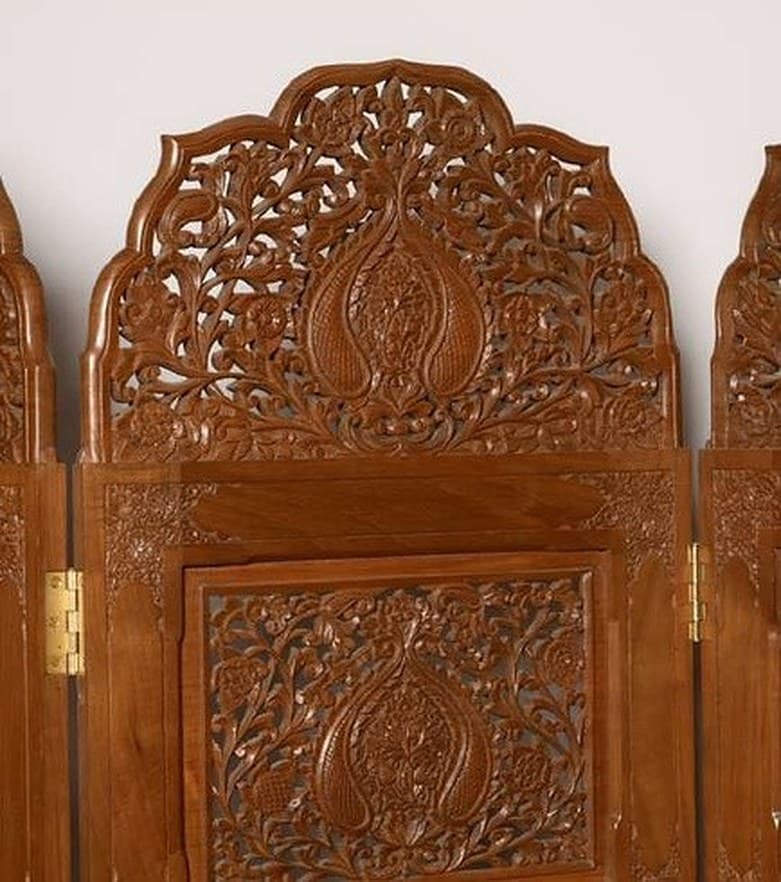
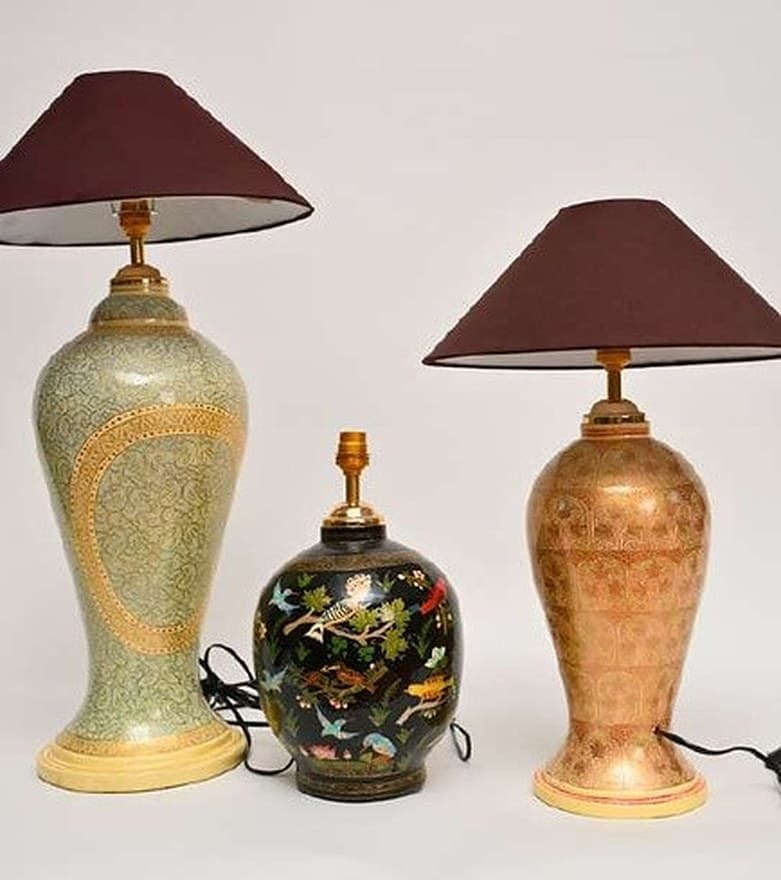
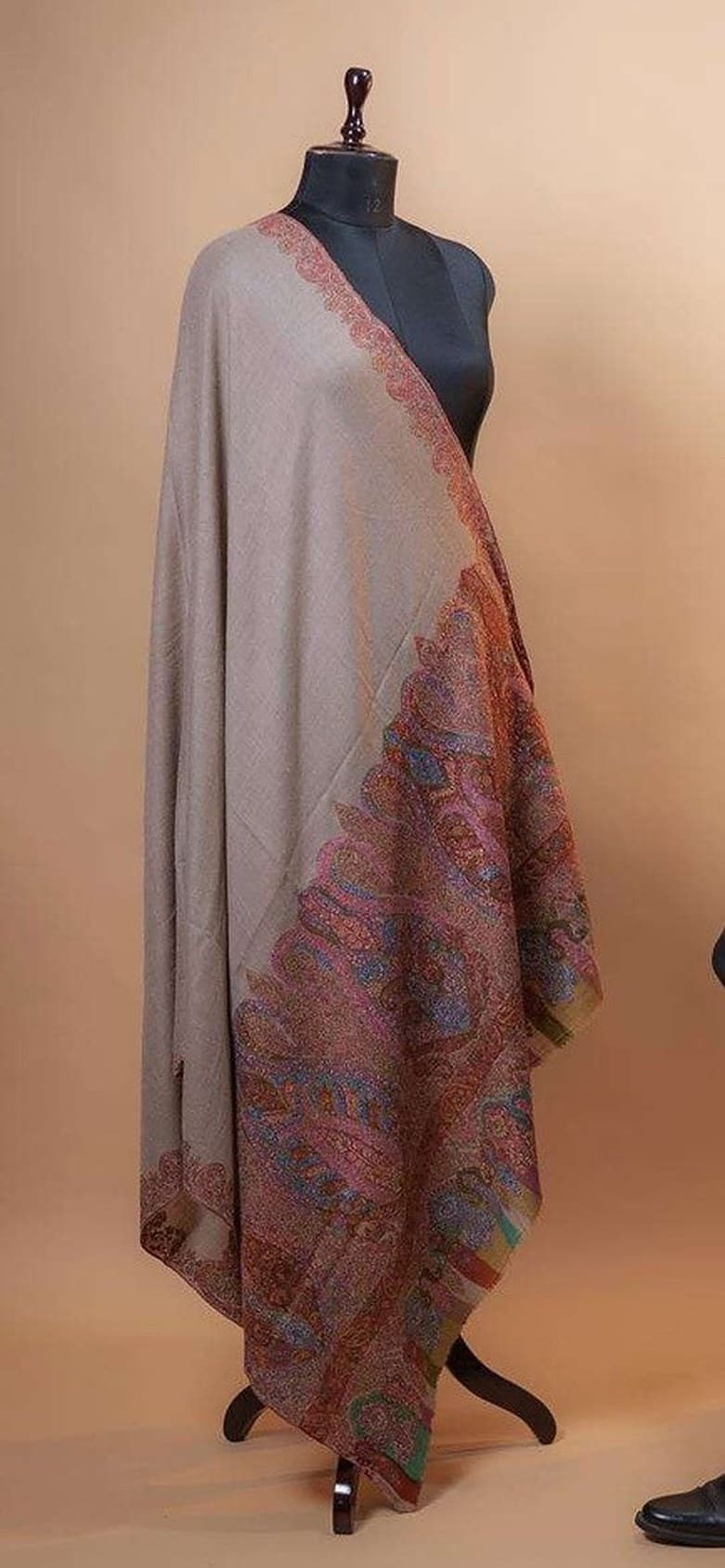
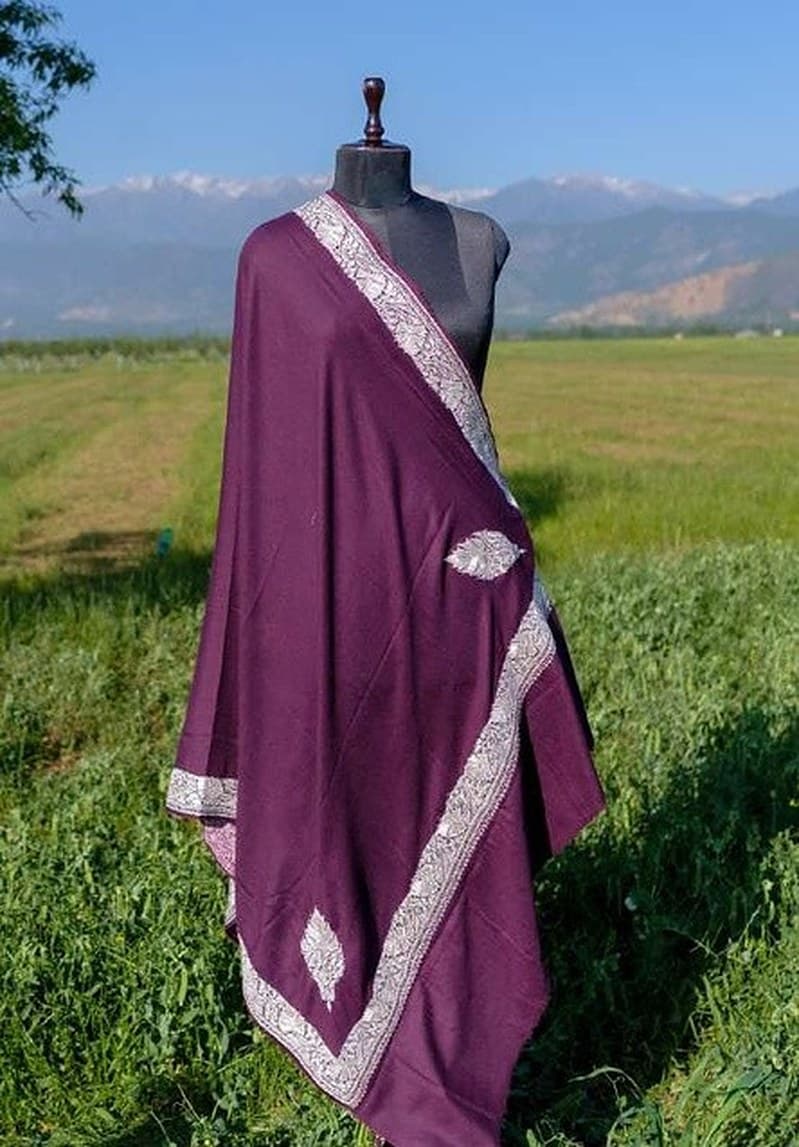
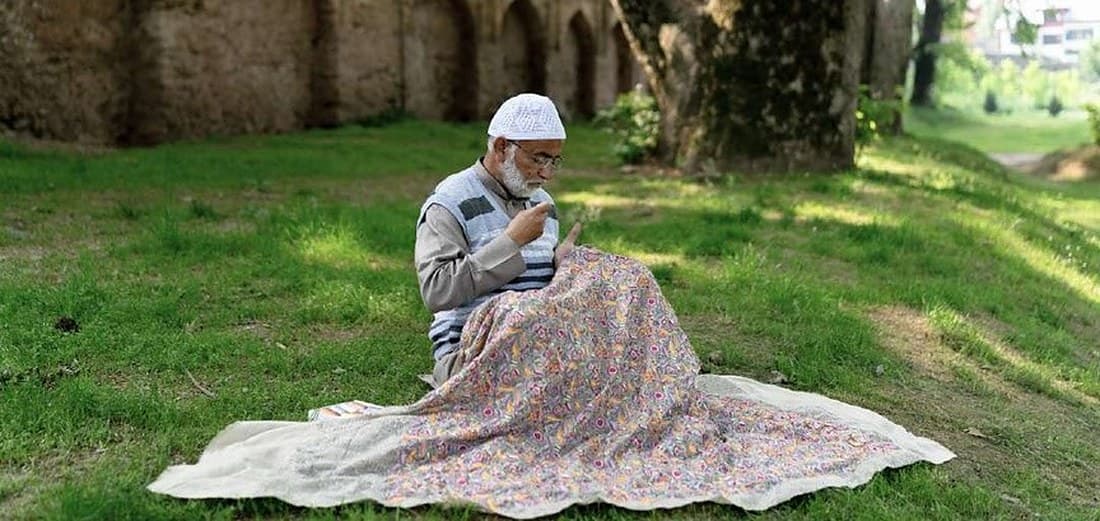
In papier-mâché the Poshkaar design fills a surface with thousands of small paisleys, each holding its own flowers. In walnut, the almond is carved in relief across screens and panels — our folding divider carries it on both faces. In Sozni embroidery it is the principal motif of the shawl border.
To buy a paisley design from Kashmir is to return to the source. The motif that mills from Paisley to Lyon spent two centuries copying is still drawn and embroidered by hand in the Valley where it began.
The paisley motif originated in Kashmir and Persia as the badam (almond) or boteh, on the shawls of the Mughal period. It took its English name from Paisley, Scotland, where mills produced imitation Kashmir shawls in the nineteenth century.
Pieces in this design
Prices on request. Every piece can be commissioned in your own size and palette.
Bespoke
Choose the size, the palette and the density of the work. Our naqash draws the design for your approval before a single knot is tied, a stitch made or a brush lifted.
Related designs