Buying guide · 6 min read
Sozni, Tilla or Kani: which Pashmina embroidery is right for you?
By the IndoArtistry atelier ·
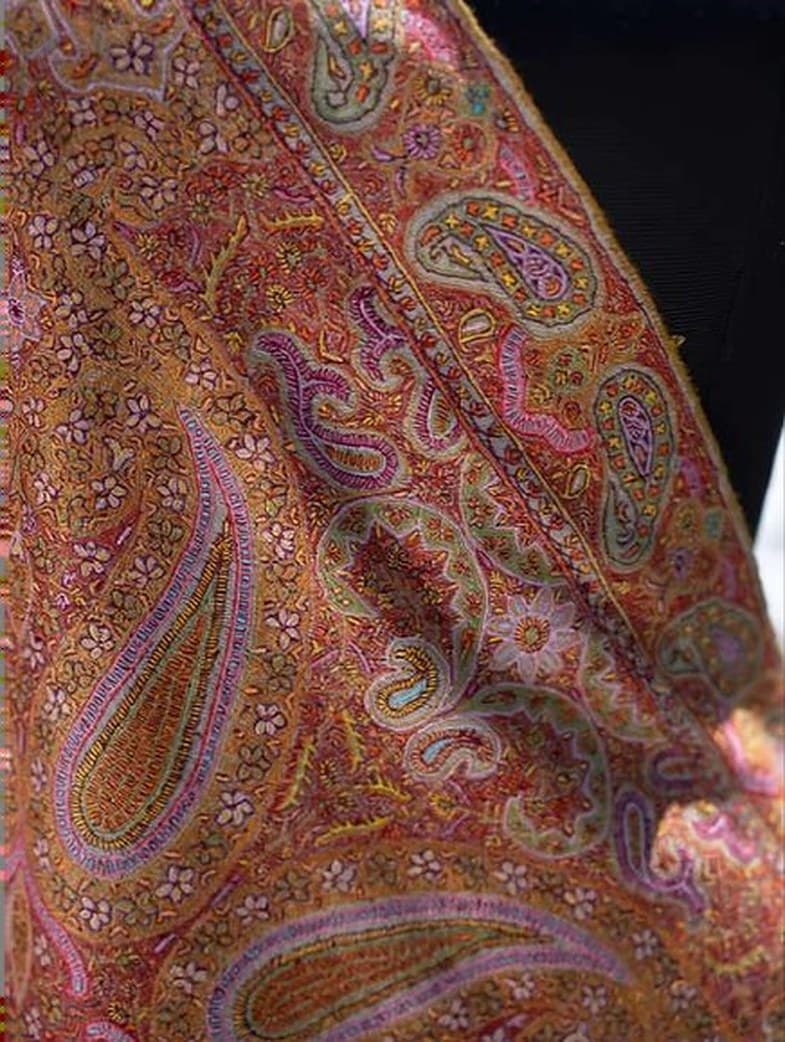
A plain Pashmina is a beautiful thing. But the shawls that Kashmir is famous for — the ones in museums and trousseaux — are decorated, and there are three ways of doing it. Two are embroidery; one is a weave. Each has its own look, its own occasions and its own months of work.
Sozni — the fine needle
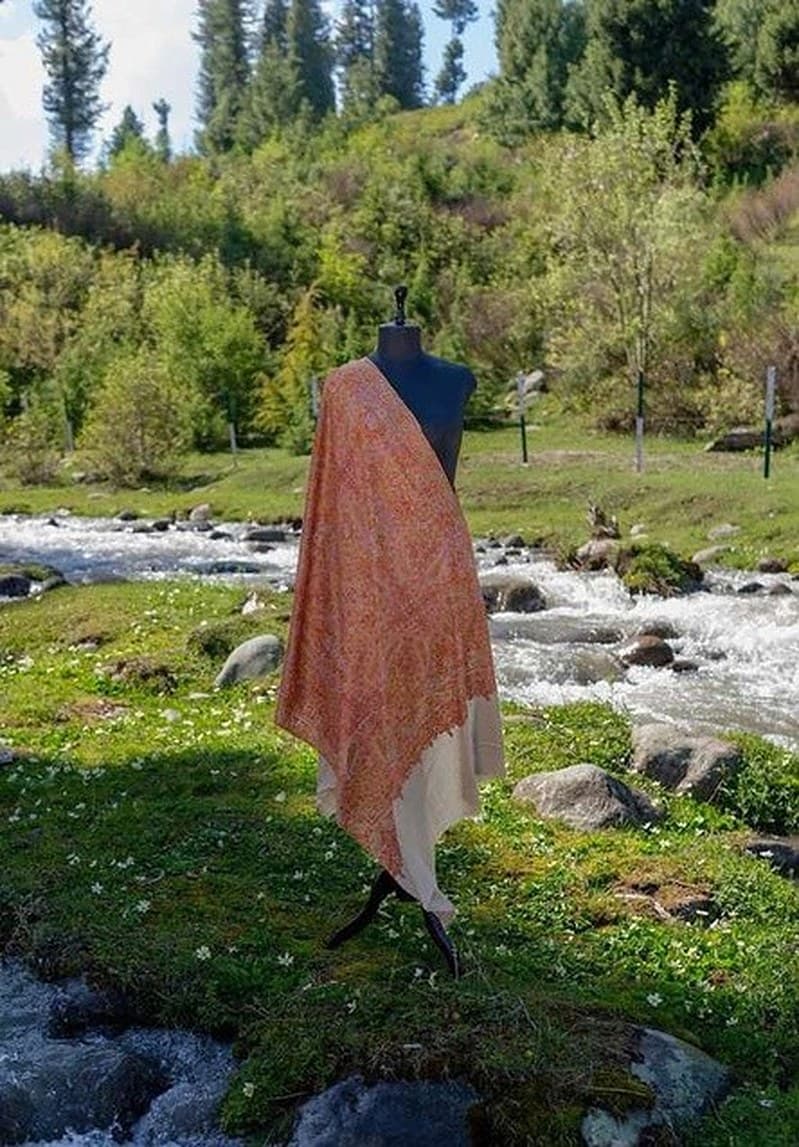
Sozni is needle embroidery in silk thread, worked in tiny satin and stem stitches over a stamped design. It is fine enough to appear printed and, at its best, identical on both faces. The motifs are paisleys, chinar leaves and flowering vines in a restrained palette — often tone-on-tone.
Coverage sets the time: a wide border takes five to six months, embroidery reaching toward the centre eight to ten, and an all-over jamawar-style shawl nine to eleven months. Sozni is the connoisseur's choice for daily elegance and for heirloom pieces.
Tilla — gold and silver thread
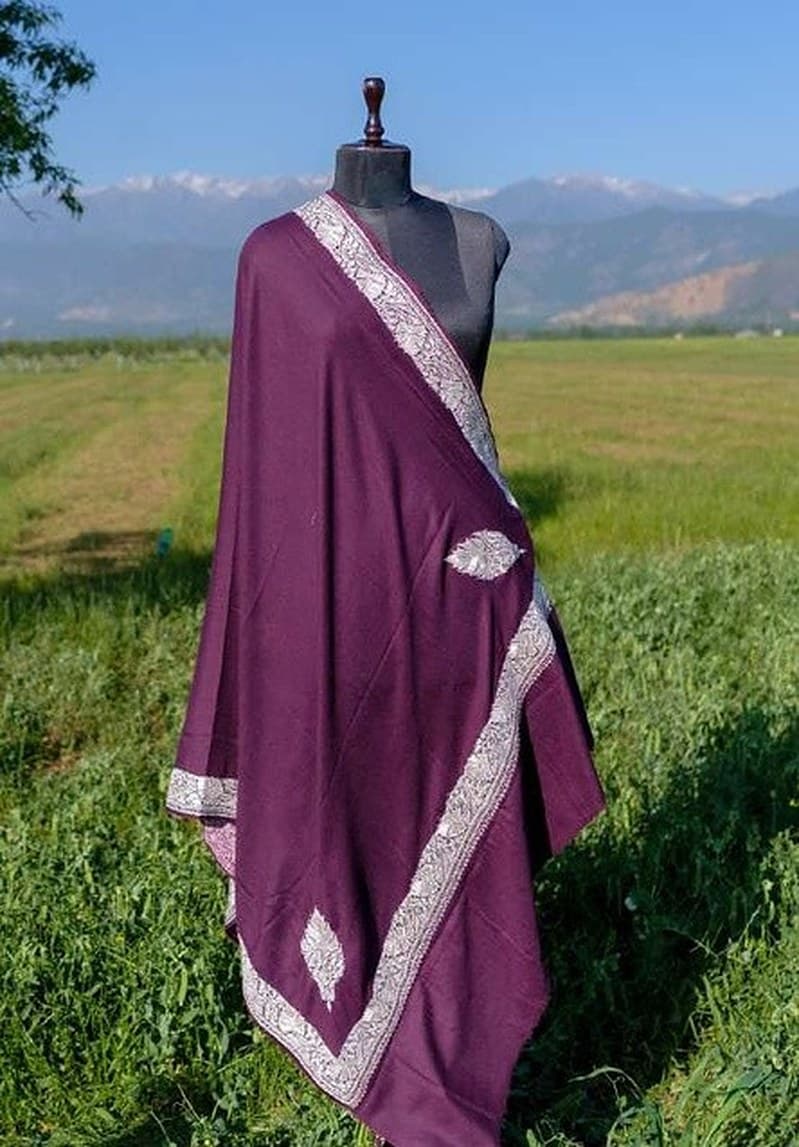
Tilla lays gold or silver metallic thread on the surface of the shawl and couches it down with silk, so the motif stands slightly proud and gleams as the wearer moves. It is the embroidery of celebration — bridal wear, weddings, festivals — and is usually worked as a border. A Tilla border takes two to three months.
Kani — the woven pattern
Kani is not embroidery at all. The pattern is woven into the cloth on the loom with dozens of small wooden bobbins — kanis — each carrying a colour, moved by hand according to the talim. It is the most laborious textile of Kashmir: a full shawl takes a year or more, and the pattern is part of the fabric itself, visible on both sides with a fine ridged texture. Kani shawls are collector's pieces, commissioned to order.
Choosing between them
A simple guide:
- For everyday luxury and a shawl that will be worn often — Sozni border
- For a wedding, a bride or a festival gift — Tilla border, with a monogram if you wish
- For an heirloom or a serious collection — all-over Sozni, or a Kani shawl
- For a gift with a fast deadline — a plain Pashmina (4–5 weeks) or a Tilla border (2–3 months)
- For a colourful, patterned shawl that is woven rather than stitched — Kani
Time and investment
Because every technique is hand work measured in months, the order of investment follows the order of time: plain, then Tilla border, then Sozni border, then deep and all-over Sozni, then Kani. Every shawl we offer states its technique and its crafting duration, and every one carries GI certification.
Questions
What is the difference between Sozni and Tilla?
Sozni is fine needle embroidery in silk thread, worked into the cloth in tiny stitches. Tilla is gold or silver metallic thread couched onto the surface of the cloth, giving a raised, gleaming motif.
Is a Kani shawl embroidered?
No. A Kani shawl's pattern is woven on the loom using small wooden bobbins, so the design is part of the fabric itself rather than stitched on afterwards.
Which Pashmina embroidery takes the longest?
An all-over Sozni shawl takes nine to eleven months; a Kani shawl, being fully woven, takes a year or more.
From the atelier
Explore our pashmina
Every piece is made by hand in Kashmir, with its materials, dimensions and making time declared.